contact@nextmas.com

Iran, US, and Israel Conflict Overview
Since late February 2026, a significant military conflict has unfolded, involving Iran, the United States, and Israel. This escalation follows a prolonged period of regional tensions and proxy engagements.
Origins of the Conflict
The current hostilities began on February 28, 2026. This date marked a direct military response from the United States and Israel against Iran. These initial actions targeted:
- Iranian leadership.
- Nuclear facilities within Iran.
- Conventional military forces across Iran.
These strikes were launched with the stated goals of preventing Iran from acquiring nuclear weapons and degrading its military capabilities.
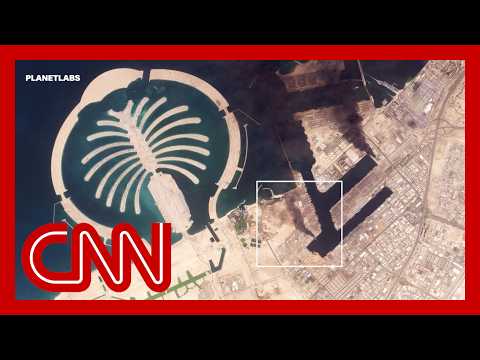
Key Developments
Iran responded swiftly to the initial strikes, initiating its own series of attacks. These retaliatory actions have included:
- Missile and drone attacks against Israel.
- Strikes on American military bases situated within the region.
- Attacks on several US-allied countries in the Gulf, specifically:
- United Arab Emirates
- Qatar
- Bahrain
- Saudi Arabia
- Kuwait
Iran has also publicly stated its intention to target economic centers and financial institutions linked to the US and Israel within the region.

Humanitarian Impact
The conflict has unfortunately resulted in a substantial human cost:
- Both sides have reportedly struck civilian sites and essential infrastructure.
- Hundreds of civilian deaths have been documented.
- Hundreds of thousands of people have been displaced from their homes.
These outcomes highlight the severe humanitarian consequences inherent in the ongoing hostilities.

Broader Regional and Global Implications
Beyond the immediate conflict zones, the war has generated wider impacts:
- Global Oil Prices: A notable rise in oil prices worldwide has been observed, reflecting market uncertainty.
- Shipping Disruptions: Critical shipping routes, particularly in the Strait of Hormuz, have experienced disruptions, impacting global trade.

International Response
The international community has responded with concern. Various international bodies have issued calls for:
- An immediate cessation of hostilities.
- Investigations into alleged violations of international humanitarian law by all parties involved.
The situation remains dynamic, with ongoing efforts to de-escalate tensions and address the humanitarian crisis.
Categories
Popular Articles


ToolSpace
Launch your own tools website with 40+ ready tools — and generate unlimited more using AI. No coding required.
- 40+ tools included
- AI tool generation
- SEO & monetization ready
No Comments Yet
Be the first to comment on this article.